Wooden Siding in Topeka: What You Need to Know
Wooden siding. It’s got a classic look, a warmth that vinyl just can’t replicate. You see it on a lot of the older homes in areas like Westboro or even some of the newer custom builds. But let’s be honest, it’s not for everyone. It demands a bit more attention than other materials. If you’re considering it, or you’ve got it and want to keep it looking good, you’ve come to the right place. I’m going to walk you through what you really need to know before, during, and after a wooden siding project, and when it’s okay to roll up your sleeves versus when to pick up the phone.
Before You Start: Planning & Preparation
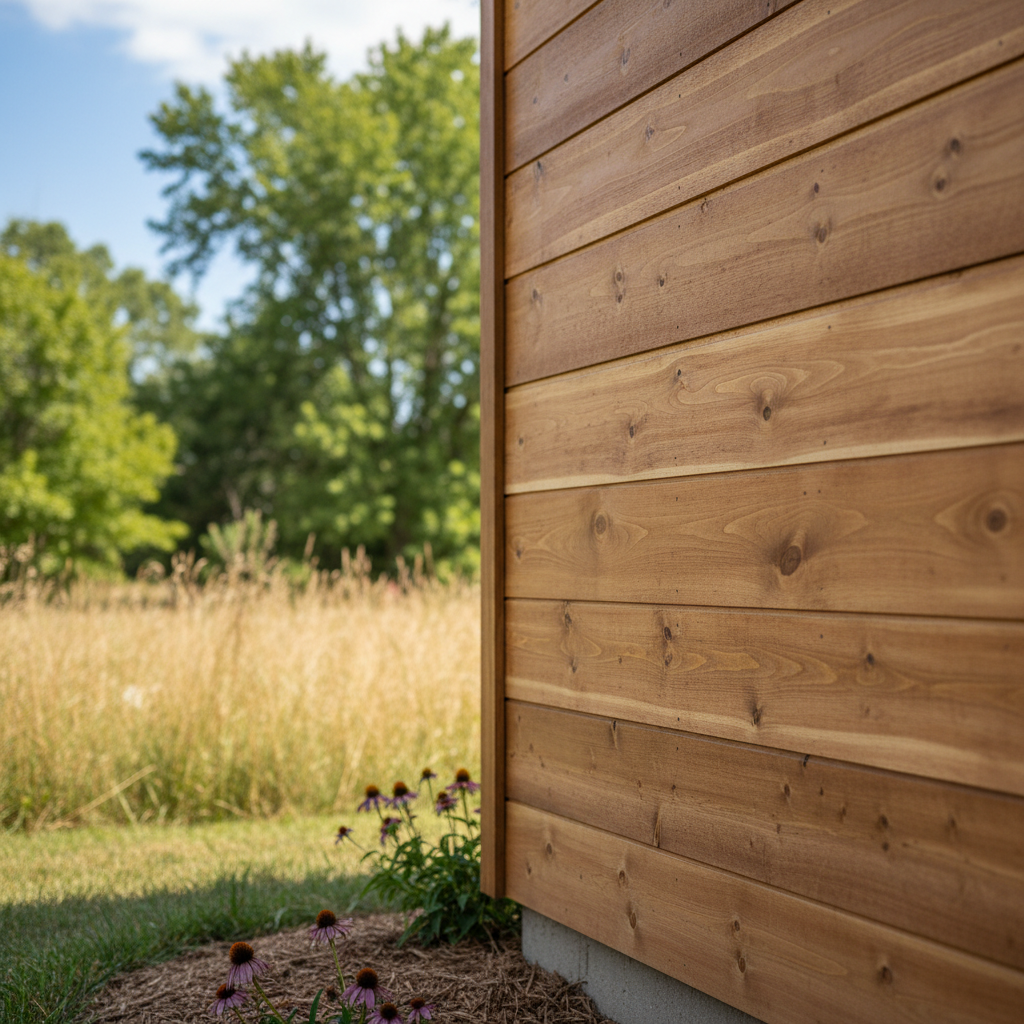
First off, think about the type of wood. There’s cedar, redwood, pine, spruce – each has its own pros and cons. Cedar, for instance, is naturally resistant to rot and insects, which is a big plus with our humid Topeka summers and those occasional heavy rains. Pine is cheaper upfront but needs more protection. Don’t just pick the cheapest option; think long-term. What kind of look are you going for? Shingles? Lap siding? Board and batten? This isn't just aesthetics; it affects installation and maintenance.
Next, assess your current situation. Is this a full replacement or just a repair job? If you’re replacing, you’ll need to factor in removal of the old siding. If it’s repair, you need to identify the extent of the damage. Is it just a few warped boards, or do you have widespread rot? A small patch job, you might be able to handle. A full wall? That’s likely a pro job.
Here’s what you can probably do yourself before any major work starts:
- Research and choose your wood type and style: Get samples, look at houses in your neighborhood.
- Gather your tools: Hammer, pry bar, measuring tape, safety glasses, gloves. Maybe a saw if you’re cutting boards.
- Clean the area: Clear bushes, trim trees away from the house. You need good access.
- Get quotes: Even if you plan to DIY, get a few quotes from local contractors. It helps you understand the scope and cost, and gives you a baseline for what you might save.
During the Project: DIY vs. Pro
Okay, so you’ve decided to either tackle some repairs or you’re watching the pros work. What should you be looking for?
For the DIYer:
Small repairs are definitely within reach for many homeowners. If you’ve got a few cracked or warped boards, you can carefully pry them off. Make sure you’re not damaging the vapor barrier underneath. Cut your new piece to size – measure twice, cut once, right? Nail it in place, making sure your nails hit the studs. Use galvanized or stainless steel nails; anything else will rust and stain your beautiful new wood. Don’t forget to pre-drill pilot holes in harder woods to prevent splitting. This is especially true when you’re dealing with the dry, hard wood on an older house that’s been baking in the Kansas sun for decades.
Painting or staining is another big DIY task. This is crucial for protecting your wood. You’ll want to clean the siding thoroughly first – a good power wash (but not too high pressure, you don’t want to damage the wood) will do the trick. Let it dry completely. Then apply a high-quality primer and two coats of paint or stain. Make sure you’re doing this on a day with good weather, not too hot, not too cold, and definitely no rain in the forecast. Our Topeka weather can be unpredictable, so check that forecast often.
When to Call a Pro:
If you’re talking about replacing entire sections of siding, or even a whole house, that’s where you really need to bring in the pros. Here’s why:
- Structural integrity: Removing old siding can reveal hidden issues like rot in the sheathing or framing. A professional knows how to identify and address these problems properly.
- Proper installation: Getting siding installed correctly, ensuring proper overlap, flashing around windows and doors, and adequate ventilation, is critical for preventing water damage and rot down the line. It’s not just nailing boards to a wall; there’s a system to it.
- Tools and expertise: Pros have specialized tools that make the job faster and more efficient, and they’ve got the experience to handle unexpected challenges.
- Safety: Working on ladders, especially on a two-story house, can be dangerous. Professionals are trained and equipped for safe work at heights.
At Topeka Siding Company, we’ve seen countless DIY attempts go sideways. While I encourage homeowners to be handy, know your limits. A botched siding job can cost you more in the long run than hiring someone to do it right the first time.
After the Project: Maintenance & Longevity
So, the new siding is up, or your repairs are done. Now what? Maintenance is key to making your wooden siding last. It’s not a set-it-and-forget-it material.
- Regular Inspections: Walk around your house at least once a year, preferably in the spring and fall. Look for cracked, warped, or loose boards. Check for peeling paint or stain. Look for signs of insect activity or mold. Pay close attention to areas around downspouts, windows, and doors – these are common spots for water intrusion.
- Cleaning: Keep it clean. Dirt, mildew, and algae can trap moisture and accelerate decay. A gentle wash with a soft brush and a mild detergent (or a low-pressure power wash) can do wonders.
- Repainting/Restaining: Depending on the type of finish and exposure to the elements, you’ll need to repaint or restain every 3-7 years. Don’t wait until it’s completely gone. Catching it early means less prep work.
- Trim Vegetation: Keep trees and shrubs trimmed away from the house. They can scratch the siding, hold moisture against it, and provide pathways for insects.
- Seal Gaps: Re-caulk around windows, doors, and trim as needed. Cracks are open invitations for water.
Wooden siding is a beautiful choice for a home, but it’s a commitment. By understanding what’s involved before, during, and after the project, you can make informed decisions and keep your Topeka home looking sharp for years to come. Don’t hesitate to reach out to us at Topeka Siding Company if you have questions or need a hand with a bigger project. We’re always happy to talk wood.