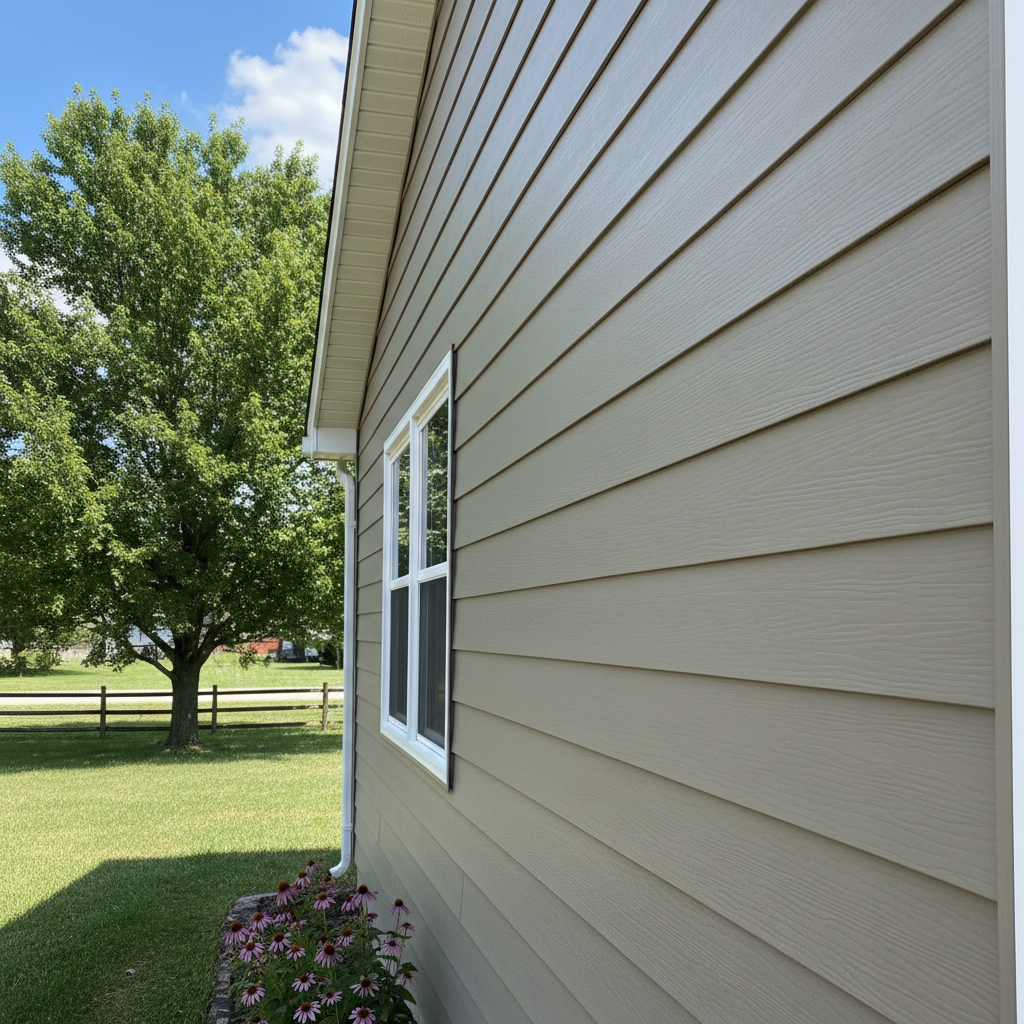
What's the real cost of vinyl siding installation in Topeka?
Alright, let's get straight to it. This is usually the first thing folks ask, and it's a fair question. The truth is, there's no one-size-fits-all answer. A lot of factors play into the final price tag. You've got the size of your house, obviously. A small ranch home in Westboro is going to cost less than a big two-story out by Lake Shawnee. Then there's the type of vinyl itself. Standard panels are more budget-friendly, but if you want something thicker, with a deeper wood grain texture, or a specific color that's custom-ordered, that'll bump up the price. Don't forget about trim work, soffit, fascia, and any special architectural details your home might have. If we're dealing with old, rotted wood underneath that needs replacing, or if the existing siding is asbestos and needs special handling, those are additional costs. Generally, you're looking at a range per square foot, but for a solid, professional installation that'll last, you should expect to invest a good amount. We always provide a detailed, itemized quote so you know exactly where your money's going. No surprises.
How long does vinyl siding actually last in Kansas weather?
This is Kansas, right? We get it all. Blistering summers, icy winters, hailstorms that'll make you duck for cover, and those wild spring winds. So, how does vinyl hold up? Modern vinyl siding is tough, way tougher than the stuff from 30 years ago. Most quality vinyl siding comes with a warranty for 20, 30, even 50 years, and some are lifetime. Now, that doesn't mean it's indestructible. A direct hit from a large hailstone might ding it, or a tree branch could crack a panel. But for everyday weather, it's incredibly durable. It won't rot, peel, or become a feast for termites like wood can. The color is baked in, so it resists fading pretty well, even with our intense summer sun. With proper installation and a little basic cleaning now and then, you can expect your vinyl siding to protect your home and look good for decades. It's a solid investment against our unpredictable Kansas climate.
Will new vinyl siding really improve my home's insulation and energy efficiency?
You bet it can. This is one of the big benefits people often overlook. When we install new siding, we're not just slapping plastic on your house. We're often adding an insulation layer underneath it. This could be a foam board, or a house wrap that acts as a thermal break and moisture barrier. This extra layer significantly reduces heat transfer through your walls. Think about it: in the summer, it keeps the heat out, and in the winter, it keeps your expensive heat in. That means your HVAC system doesn't have to work as hard, which translates directly into lower energy bills for you. It's not going to turn your house into a passive solar home overnight, but it definitely makes a noticeable difference in your comfort and your wallet. We've had plenty of homeowners tell us they feel the difference right away.
What's the installation process like, start to finish?
Okay, so you've decided to go with Topeka Siding Company. What happens next? First, we'll confirm all the details, colors, and materials. Then, on installation day, our crew shows up ready to work. We start by preparing the site, protecting your landscaping, and setting up our equipment. The old siding comes off first. This is where we inspect the sheathing underneath for any damage or rot that needs addressing. Once the old stuff's gone and any repairs are made, we'll install your house wrap and any insulation. Then, we start with the starter strips at the bottom and work our way up, panel by panel, making sure everything is level, plumb, and properly secured. We pay close attention to flashing around windows and doors to prevent water intrusion. We'll install soffit, fascia, and any decorative trim. It's a methodical process, and we take our time to do it right. When we're done, we do a thorough cleanup, leaving your property looking better than we found it. We don't just finish; we make sure you're happy with the results.
Can I really change the look of my house with vinyl siding, or will it still look like 'vinyl'?
This is a common concern, and I get it. People remember that flimsy, shiny vinyl from years ago. But things have changed a lot. Today's vinyl siding comes in a huge array of styles, textures, and colors. You can get panels that mimic cedar shakes, clapboard, board and batten, even stone. The textures are much deeper and more realistic than they used to be, often with a low-gloss finish that looks a lot like painted wood. We can use different widths of panels, combine styles, and add decorative trim around windows and doors to really enhance your home's curb appeal. Seriously, you'd be surprised at how much you can transform a house. We've helped folks in older neighborhoods like College Hill give their homes a fresh, updated look without losing their classic charm. It's not just about covering your house; it's about giving it a whole new personality.
Do I need to do anything to prepare my home before the crew arrives for installation?
Yes, a few things will really help us out and make the process smoother for everyone. First, clear the perimeter of your house. Move any patio furniture, grills, planters, or anything else that's close to the walls. If you have any delicate plants or shrubs right up against the house, you might want to cover them or temporarily move them if possible. We'll do our best to protect everything, but having clear access makes our job safer and faster. Also, if you have any valuable or fragile items hanging on interior walls, especially those on the exterior walls, you might want to take them down. The vibrations from removing old siding and nailing in new can sometimes cause things to shift. Finally, make sure we have access to exterior power outlets if possible. We bring our own, but it's always good to have options. We'll go over all this with you before the project starts, so you're not left guessing.
What about maintenance once the vinyl siding is installed?
This is the best part, honestly. Vinyl siding is incredibly low maintenance. You won't be painting it every five to ten years, that's for sure. For most homeowners, a good cleaning every year or two is all it takes to keep it looking fresh. You can use a garden hose with a soft brush, or a power washer on a low setting. Just be careful with power washers; too much pressure can force water behind the panels if you're not careful. For tougher grime or mildew, a simple solution of water and mild detergent (like dish soap) or a specialized siding cleaner works wonders. Just rinse thoroughly. That's pretty much it. No scraping, no sanding, no painting. You get to spend your weekends doing other things, not maintaining your house exterior. That's a huge win in my book.