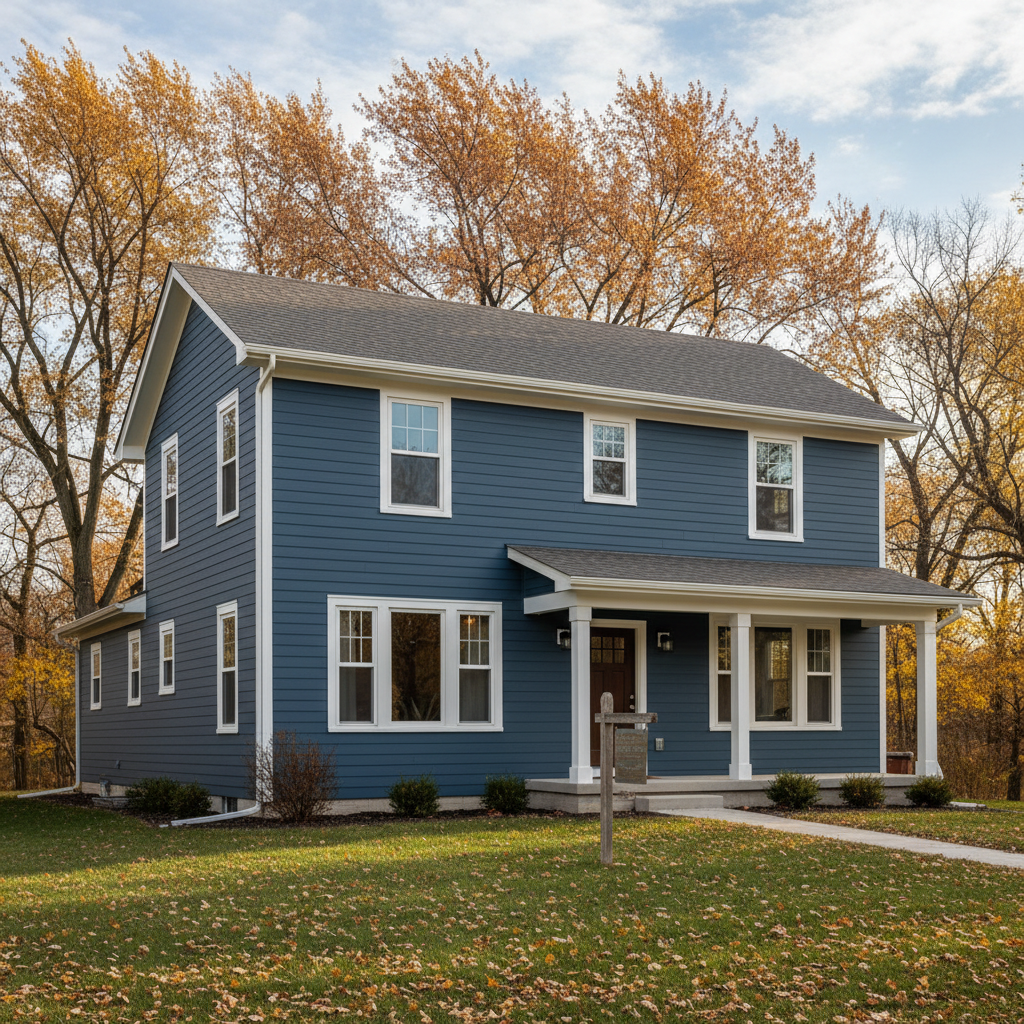
You've chosen James Hardie siding, and that's a smart move for any Topeka homeowner. It’s tough, looks great, and really holds up. But even the best siding needs a little thought about our local climate. Here in Topeka, we get a real mix of everything – hot summers, cold winters, and some pretty wild storms in between. This isn't just about what your siding can handle; it's also about when it’s best to work on it and how to keep it looking sharp all year long.
Topeka's Weather & Your Siding: What You Need to Know
Our weather here isn't always predictable, is it? One day it's 70 degrees in February, the next it's snowing. That variability plays a big role in siding work. James Hardie products are designed to withstand extreme temperatures and moisture, which is perfect for Kansas. They don't expand and contract like wood, and they’re not as prone to cracking in the cold or warping in the heat as some other materials might be.
However, installation is a different story. You can't just slap up siding in a blizzard or a torrential downpour. The materials themselves need to be handled correctly, and the crews need safe working conditions. That's why timing really matters.
When to Schedule Siding Work in Topeka
If you're thinking about new James Hardie siding or a major repair, timing your project can make a big difference. We generally aim for mild, dry weather. Here's how the seasons break down:
Spring (March - May): This is often ideal. Temperatures are usually moderate, and while we get our share of spring showers, there are plenty of dry days. The ground isn't frozen, and it's not scorching hot yet. It's a popular time, so if you're planning for spring, you'll want to get on our schedule early.
Summer (June - August): We can definitely work in the summer, but those 90+ degree days with high humidity can be tough on the crew. We'll often start earlier in the morning to beat the worst of the heat. Plus, summer thunderstorms can pop up quickly, causing delays. It's doable, but sometimes less comfortable for everyone involved.
Fall (September - November): Another excellent window. The temperatures are cooling down, and we often have long stretches of dry, comfortable weather. It's a great time to get your home buttoned up before winter hits. Just like spring, fall schedules can fill up fast.
Winter (December - February): This is the trickiest time. While James Hardie siding itself can be installed in colder temperatures (down to about 0°F), the real issue is snow, ice, and frozen ground. It's hard to work safely on ladders with ice around, and digging for foundation work is a nightmare. Plus, caulk and paint need specific temperature ranges to cure properly. We generally avoid major installations in the dead of winter unless it's an absolute emergency or we get an unusually mild stretch, which, let's be honest, doesn't happen often around here. We've seen plenty of winters where the ground in older parts of town, like the Westboro neighborhood, stays frozen solid for weeks.
Weather Conditions That Affect the Job
It's not just the season; it's the daily conditions. Here's what we look at:
Rain: Light drizzle might be okay, but heavy rain means stopping work. It's a safety issue, and it can affect the quality of the installation, especially if we're dealing with sealants or painting.
Wind: High winds are a no-go. Carrying large siding panels on ladders in gusty conditions is incredibly dangerous for our crew and could damage the material or your home.
Extreme Temperatures: As I mentioned, very cold weather impacts caulk and paint. Very hot weather can make working conditions difficult and slow things down. We always prioritize the safety of our team and the quality of the finished product.
Protecting Your James Hardie Investment Year-Round
Once your James Hardie siding is up, it's pretty low maintenance, but a little attention goes a long way to ensure it lasts for decades.
Regular Cleaning: A simple rinse with a garden hose once or twice a year is usually all it takes to remove dirt and dust. For tougher spots, a soft brush and mild detergent will do the trick. Don't use a high-pressure washer too close, as it can damage the finish.
Inspect Annually: Take a walk around your house each spring or fall. Look for any signs of wear, especially around windows, doors, and corners. Check for cracked caulk or any areas where the siding might have been impacted by a storm or falling branch. Catching small issues early prevents bigger problems.
Keep Gutters Clean: Clogged gutters can cause water to overflow and run down your siding, which isn't ideal. Make sure they're clear, especially before winter, to prevent ice dams.
Trim Shrubs & Trees: Keep vegetation from growing directly against your siding. This helps with air circulation and prevents moisture buildup, which can lead to mildew or even pest issues.
Address Damage Promptly: If you notice a crack, a chip, or a loose panel, don't put it off. Give us a call at Topeka Siding Company. We can assess the damage and make repairs to keep your home protected.
Your James Hardie siding is built to last through Topeka's seasons, but knowing when to schedule work and how to give it a little TLC will ensure it stays beautiful and protective for years to come. If you've got questions about your siding or need a repair, you know who to call.