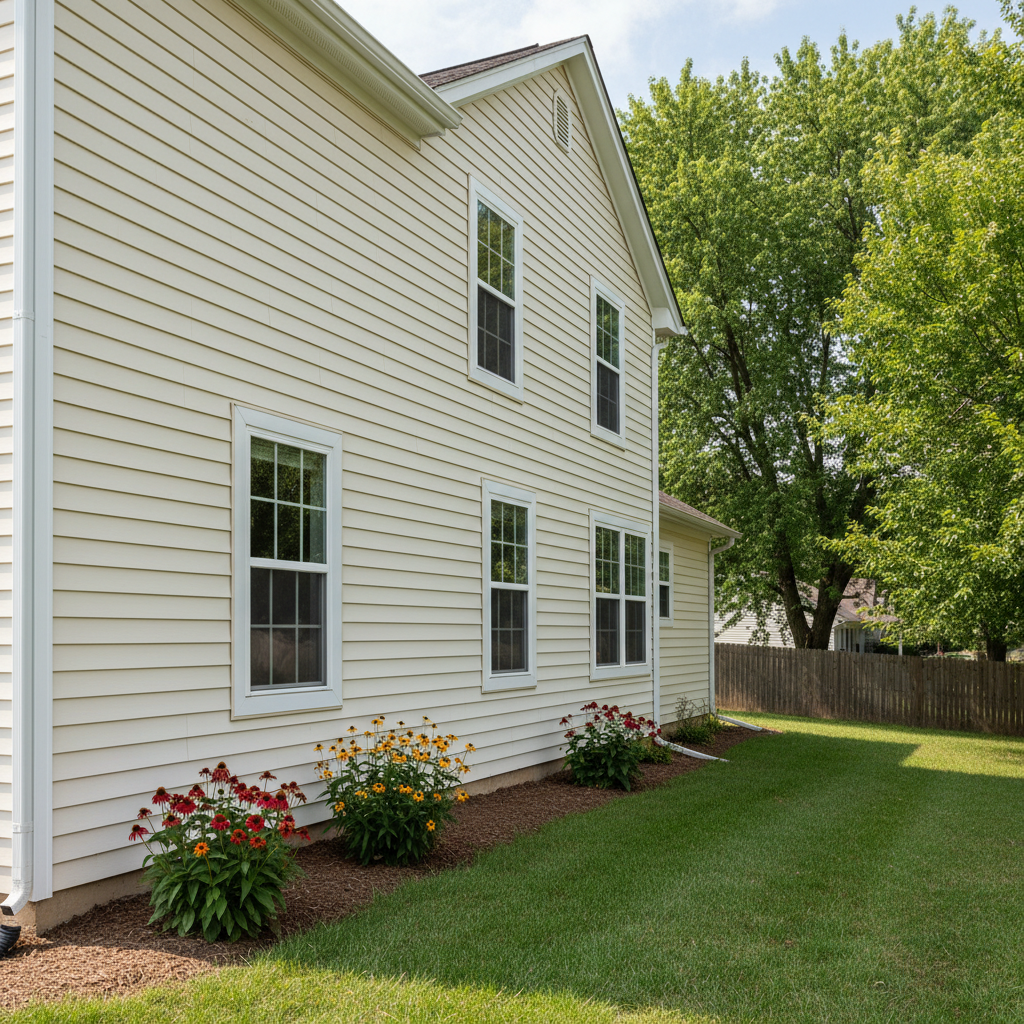
So, you just put up new siding, or maybe the stuff on your house has been there for years and is still holding up well. Either way, you want it to last, right? Good siding costs a good chunk of change, and it's your home's main shield against our crazy Kansas weather. But it's not something you can just put up and forget about. A little bit of regular care really stretches its life and keeps your place looking sharp.
Making Your Siding Last Longer
It all starts with a solid installation. If you picked a good company like Topeka Siding Company, you're all set there. But after that, it's up to you to keep an eye on things. Here in Topeka, siding's biggest enemies are moisture, sun, and pests. Our summers are brutal, and those winter freeze-thaw cycles? They really beat up materials. So, what's a homeowner to do?
- Keep it Clean: Dirt, grime, and especially mildew or algae can hold moisture right against your siding. That's just asking for trouble, particularly with wood or fiber cement. A gentle wash once a year, maybe twice if you've got lots of trees around your house, usually does the trick.
- Handle Water: This is a big one. Make sure your gutters are clear and draining right, sending water away from your foundation and siding. Check your downspouts. If water's splashing back onto the siding, you've got a problem brewing. Also, trim back any shrubs and trees that are growing too close. They can scratch siding, trap moisture, and block sunlight, creating damp spots where mold just loves to grow.
- Sealants and Paint: If you've got wood siding or trim, keeping up with paint or stain is super important. It's not just about how it looks; it's a protective layer, plain and simple. For fiber cement, paint also helps it last longer. Check the caulk around windows, doors, and corners every year. Cracks let water in, and once water gets behind your siding, you're looking at potential rot, mold, and even structural damage.
What Regular Maintenance Actually Involves
Okay, so what's the actual routine? I suggest a quick walk around your house at least twice a year – once in the spring after the snow melts and again in the fall before winter really kicks in. Think of it like a health check-up for your home's outside.
- Spring Check: Look for any damage from winter storms or ice. Are there loose panels? Cracked caulk? Any signs of critters trying to make a home behind your siding? Pay extra attention to corners and around windows and doors.
- Fall Check: Get those gutters cleared out. Trim back any branches that have gotten too close over the summer. Give the siding a good visual once-over for any wear or damage that might have popped up during the hot months. This is also a good time to wash off any pollen or dust that's built up.
- Annual Wash: Like I said, a gentle wash with a soft brush and a mild detergent (or a low-pressure power washer) can work wonders. Just be careful with pressure washers; too much force can really damage siding, especially older vinyl or wood.
Warning Signs That Something's Wrong
Your siding usually drops hints when there's a problem. Don't ignore these:
- Cracks, Gaps, or Holes: Obvious entry points for water and pests.
- Loose or Missing Panels: Wind can rip these right off, leaving your home exposed.
- Warping, Buckling, or Swelling: This often means moisture is getting in behind the siding. With vinyl, it could be improper installation that doesn't allow for expansion and contraction. With wood, it's almost always water.
- Fading or Peeling Paint: Beyond just looking bad, it means the protective layer isn't doing its job anymore.
- Mold, Mildew, or Algae: Especially if it's persistent and not just a surface stain. This points to a moisture problem.
- Efflorescence: That white, powdery stuff on masonry or fiber cement? It's salts coming out of the material, usually a sign of water getting in.
- Pest Infestations: Carpenter ants, termites, or even wasps love damp, dark places behind siding. If you spot them, investigate immediately.
One specific thing we often see in Topeka, especially in older neighborhoods like Westboro or College Hill, involves issues with original wood siding that hasn't been kept up. When that paint starts to go, the wood soaks up moisture, and then the freeze-thaw cycles just tear it apart. You'll see peeling, cracking, and eventually, rot. It's a sad sight.
When to Call a Professional
You can handle a lot of the basic stuff yourself, but there are times when you really need to bring in the pros. If you notice any of those serious warning signs I just mentioned – widespread warping, significant rot, or big sections of missing siding – don't wait. Water damage can get worse fast and lead to much more expensive repairs down the line, including structural issues or interior mold.
Also, if you're not comfortable on a ladder, or if the problem areas are way up high, it's always safer to call us. We've got the right gear and experience to accurately check out the damage and suggest the best way forward. Sometimes a small repair is all you need; other times, it might be time to think about a partial or full replacement. Either way, getting an expert opinion early can save you a lot of headache and money in the long run.
The Bottom Line
Your home's siding works hard for you every single day. Give it a little love, keep an eye out for trouble, and don't hesitate to call Topeka Siding Company if you're unsure. A well-maintained exterior isn't just about curb appeal; it's about protecting your biggest investment, period.